
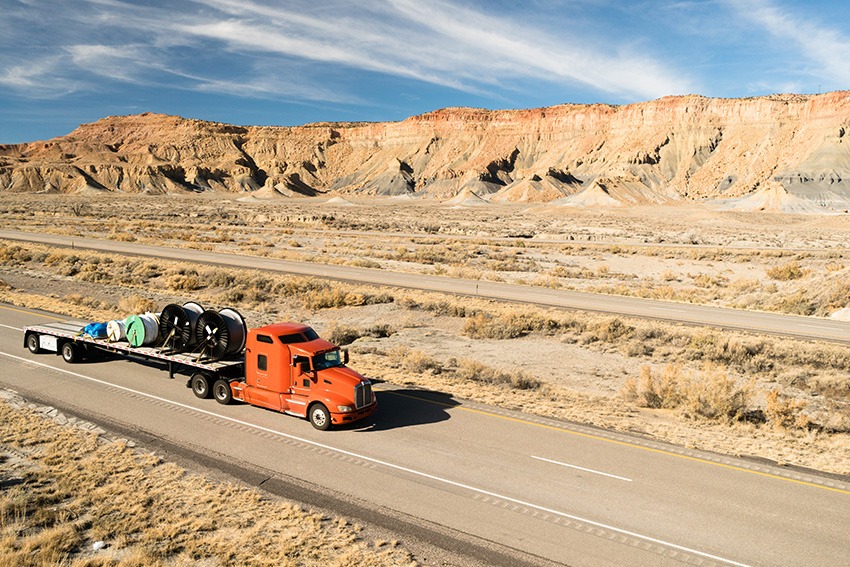
Truck accidents in Doral can leave victims facing devastating injuries, overwhelming medical bills, and a maze of legal challenges. Unlike a typical car crash, a truck collision involves federal regulations, multiple parties, complex evidence, and insurance companies that fight aggressively to minimize payouts.
If you or someone you love was injured in a truck crash in Doral, winning your claim requires more than simply proving another driver made a mistake—it requires assembling the right evidence, preserving it correctly, and presenting it strategically. This is why many injured motorists turn to experienced law firms such as DLE Lawyers, who understand how to build strong, evidence-driven truck accident claims.
This comprehensive guide breaks down the key evidence that strengthens a Doral truck crash case, why it matters, how it's collected, and how legal teams use it to maximize compensation.
Why Truck Accident Evidence Matters More Than You Think
Truck crashes often cause catastrophic damage due to the sheer size and weight of commercial vehicles. But the real complexity comes from the legal and financial stakes involved. Several entities may be liable:
- The truck driver
- The trucking company
- Cargo loaders
- Truck manufacturers
- Maintenance contractors
- Insurance carriers
Each of these parties may hold crucial evidence—and each has a strong incentive to protect themselves.
Without timely, strategic evidence collection:
- Key proof can be lost or destroyed
- The trucking company may control the narrative
- Insurance adjusters may shift blame to you
- Your settlement value could drop dramatically
Strong evidence does more than prove fault—it protects your future and ensures you're not taken advantage of.
Essential Evidence That Wins Doral Truck Crash Claims
Below are the categories of evidence that consistently transform truck accident cases from uncertain to undeniable.
1. The Truck's Black Box Data (EDR)
Modern commercial trucks are equipped with an Event Data Recorder (EDR)—commonly known as the "black box." This device captures critical metrics, including:
- Vehicle speed
- Acceleration and braking
- RPM levels
- Gear shifts
- Hard stops
- Use of cruise control
- Seatbelt engagement
- Airbag deployment
Why It Matters
Black box data provides a scientific, objective record of what happened before, during, and after the crash. For example:
- Excessive speed shows driver negligence
- Sudden braking may indicate distraction
- Failure to brake could suggest fatigue or impairment
However, trucking companies often move quickly to download or even overwrite this information. That's why attorneys such as DLE Lawyers send immediate preservation letters to stop any tampering.
2. Truck Driver Logs
Federal law requires truck drivers to follow strict "Hours of Service" (HOS) regulations to prevent fatigue. These logs record:
- Driving hours
- Breaks
- Sleep periods
- Shift changes
Many drivers falsify these logs to meet delivery deadlines—a practice known as "logbook fraud."
How Logs Strengthen Your Case
If logs show a driver exceeded allowable hours or skipped breaks, the case becomes dramatically stronger. You can argue:
- Driver fatigue contributed to the crash
- The trucking company knowingly pressured the driver
- Federal violations occurred
Electronic logging devices (ELDs) have reduced manual log manipulation but not eliminated it. Legal teams often compare logs with:
- Fuel receipts
- GPS data
- Toll records
- Delivery timestamps
Matching inconsistencies expose liability.
3. Dashcam, Surveillance, and Traffic Footage
Video evidence is one of the most powerful tools in any accident claim. Sources may include:
- The truck's dashcam
- Your vehicle's dashcam
- Surveillance cameras from Doral businesses
- Red-light or traffic-control cameras
- Witness cellphone recordings
Why Video Evidence Wins Cases
Video removes ambiguity. It can show:
- Truck swerving
- Distracted driving
- Tailgating
- Illegal lane changes
- Speeding
- Running red lights
- Road rage behavior
Attorneys act immediately to request and preserve this footage, since some systems delete files automatically after days or weeks.
4. Witness Testimony
Eyewitnesses provide perspective that no mechanical data can replicate. They can clarify:
- What the truck driver was doing before the crash
- Weather and road conditions
- Visible signs of impairment
- Lane positions
- Driver reactions
Witnesses often disappear or forget details over time. Taking statements early ensures their accounts stay accurate and useful.
5. Police Crash Reports
In Doral—and throughout Miami-Dade County—police officers responding to a truck collision create an official crash report. It typically includes:
- Diagrams of the accident
- Preliminary fault assessment
- Driver statements
- Witness information
- Traffic violations
- Weather and lighting conditions
Why It Matters
Insurers heavily rely on police reports. While not final proof of liability, they often set the tone for negotiations.
If the officer issued the truck driver a citation—for speeding, improper lane change, or reckless driving—it becomes a pivotal part of the claim.
6. Medical Documentation
Your medical records do more than document injuries—they connect the crash to your financial losses.
Important medical evidence includes:
- ER records
- Imaging (CT scans, MRIs, X-rays)
- Physical therapy notes
- Surgical reports
- Pain journals
- Prescription logs
- Assessments from specialists
Medical Evidence Strengthens Both Sides of the Claim
- Causation – Proves the crash caused your injuries
- Severity – Shows the extent of physical harm
- Future Needs – Projects ongoing care, lost earning capacity, or disability
An attorney ensures you're evaluated by qualified experts—not by doctors who work for insurance companies.
7. Truck Maintenance and Inspection Records
Federal trucking regulations require:
- Pre-trip inspections
- Post-trip inspections
- Regular maintenance
- Mandatory repairs
- Tire, brake, and light checks
When these records reveal:
- Worn tires
- Brake failure
- Steering issues
- Overdue repairs
- Maintenance noncompliance
—you gain powerful evidence that the trucking company showed negligence or reckless disregard for safety.
8. Company Safety Records and Internal Policies
Trucking companies must maintain:
- Hiring records
- Training logs
- Safety violation reports
- Disciplinary files
- Drug/alcohol testing results
If the company has a history of:
- Hiring unqualified drivers
- Ignoring safety regulations
- Allowing overworked drivers
- Failing inspections
…it becomes easier to prove systemic negligence.
This evidence often turns a standard injury claim into a high-value liability case, potentially with punitive damages.
9. Cargo and Loading Documents
Improperly loaded cargo can cause:
- Jackknife accidents
- Rollovers
- Cargo spills
- Loss of vehicle control
Key documents include:
- Weight tickets
- Loading manifests
- Securing equipment logs
- Bills of lading
Fault may rest not just with the driver, but also with third-party loaders or freight companies.
10. Reconstruction and Expert Reports
When evidence is technical or the accident was severe, attorneys work with:
- Accident reconstruction specialists
- Biomechanical experts
- Commercial trucking experts
- Medical experts
- Economists
These experts can testify about:
- Crash physics
- Driver reaction time
- Vehicle dynamics
- Mechanical failures
- Injury causation
- Future economic losses
Expert reports dramatically increase the credibility of a case—especially in court.
Why Trucking Companies Fight So Hard to Block Evidence
It's no secret: trucking companies often move quickly after a crash to protect their interests. They may:
- Send rapid-response teams to the scene
- Attempt to retrieve or hide black box data
- Claim the victim caused the crash
- Delay handing over documents
- Coach drivers on what to say
- Repair the truck before inspection
This is why truck crash victims must take action as soon as possible.
Steps to Take After a Truck Accident in Doral
To protect your rights and strengthen your case:
1. Call 911 and get medical care
Even if you feel "okay," hidden injuries like internal bleeding or spinal trauma may not show symptoms immediately.
2. Document the scene
If safe, gather:
- Photos
- Video
- License plates
- DOT numbers
- Road conditions
3. Get witness contact information
Eyewitness accounts fade quickly.
4. Notify your insurance company—but don't give a recorded statement
Insurers often use your own words against you.
5. Contact an experienced truck accident attorney
A skilled legal team knows how to preserve evidence before it disappears.
How an Attorney Strengthens Your Doral Truck Crash Claim
A truck accident lawyer does far more than file paperwork. They:
- Issue spoliation letters to prevent evidence destruction
- Secure black box and ELD data
- Collect company records and safety logs
- Obtain surveillance and dashcam footage
- Work with accident reconstruction experts
- Build economic and medical projections
- Negotiate aggressively with insurers
- Prepare your case for trial if needed
Firms such as DLE Lawyers have extensive experience handling truck injury cases in South Florida, giving victims a strategic advantage during negotiations and litigation.
Common Arguments Trucking Companies Use—and How Evidence Beats Them
Trucking companies often claim:
⌠"The driver wasn't at fault."
✔ Evidence that disproves this: black box data, video, witness accounts.
⌠"The victim was speeding or distracted."
✔ Counter-evidence: skid marks, cell phone records, reconstruction analysis.
⌠"The injuries aren't related to the accident."
✔ Medical documentation connects symptoms with the crash.
⌠"The truck was properly maintained."
✔ Maintenance logs often show overdue repairs or violations.
⌠"The driver was well-rested."
✔ Logging discrepancies expose fatigue or HOS violations.
Evidence is the weapon that dismantles weak defenses and exposes the truth.
Types of Compensation You May Recover
With strong evidence, truck crash victims in Doral can seek compensation for:
Economic Damages
- Medical expenses
- Lost wages
- Rehabilitation
- Property damage
- Future treatment costs
Non-Economic Damages
- Pain and suffering
- Emotional distress
- Loss of enjoyment of life
- Disability or scarring
Punitive Damages
In cases involving gross negligence or federal safety violations, punitive damages may apply.
Evidence Is the Foundation of a Winning Claim
Truck crash cases are won not by chance—but by preparation, speed, and meticulous evidence collection.
The sooner you take action, the better your chances of securing crucial proof before the trucking company locks it away or destroys it. Whether the cause was fatigue, speeding, poor maintenance, or reckless corporate practices, the right evidence tells the story clearly and persuasively.
For victims navigating this overwhelming process, experienced legal guidance makes all the difference. Firms like DLE Lawyers understand the technical, investigative, and strategic demands of truck accident litigation. With the right evidence and the right representation, you can fight back, protect your rights, and pursue the compensation you deserve.
If you'd like, I can also format this into SEO-optimized HTML, create social media snippets, or provide title/meta description options for your website.