

TL;DR
- Handing your keys to a valet creates a legal relationship called a "bailment," which shifts the burden of proof onto the valet company if your car comes back damaged.
- You generally don't have to prove exactly how the valet was negligent — if your car left undamaged and came back damaged, the valet operator has to account for that.
- The "not responsible for damage" signs many valet stands post are frequently unenforceable against the operator's own negligence, though it's still worth documenting everything carefully.
- Florida has no single statewide valet liability statute — these claims are governed by common law bailment principles, ordinary negligence, and, in some cities, local permit ordinances.
- Injuries during valet operations — from being struck by a vehicle in a pickup lane, for example — are analyzed differently from property damage, and often involve premises liability considerations as well.
Handing your car keys to a valet is such a routine part of dining out or checking into a hotel in Miami that most people never think about what's actually happening legally in that handoff. But the moment a valet takes possession of your vehicle, Florida law creates a real legal relationship with real obligations, and when that relationship is breached — a scratched bumper, a stolen car, an injury in the pickup lane — understanding how the law treats it can make the difference between accepting a denial and actually getting compensated.
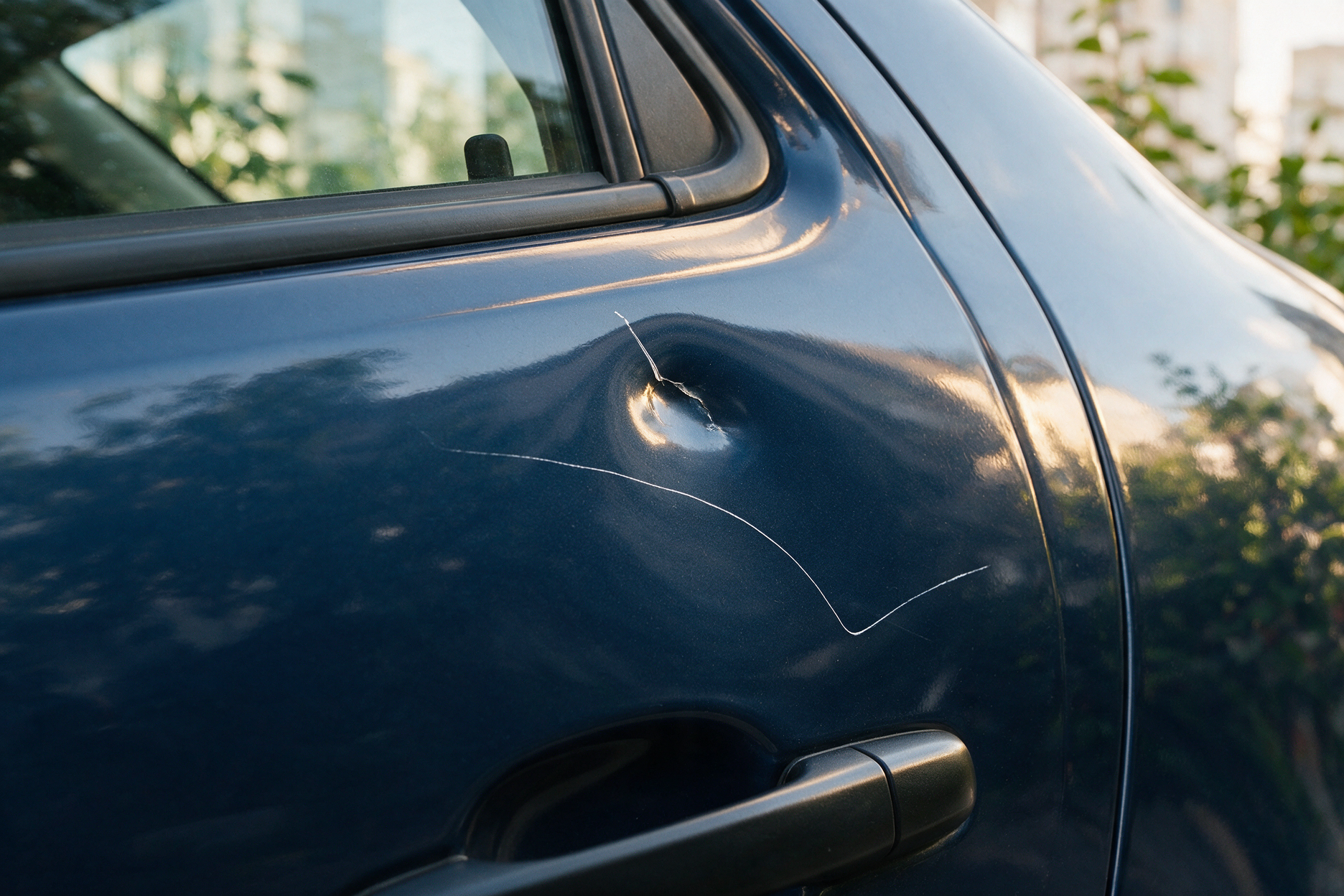
What a Bailment Actually Is
When you hand your keys to a valet, you're creating what Florida law calls a bailment: a legal relationship where you (the bailor) temporarily transfer possession and control of your property to another party (the bailee), without transferring ownership. The valet operator, as bailee, takes on a legal duty to exercise reasonable care over your vehicle while it's in their possession.
This distinction matters enormously compared to simply parking your own car in a self-service lot. When you park yourself and keep your keys, most courts treat that as a license — permission to use a space — rather than a bailment, which means the burden generally stays on you to prove the property owner was negligent if something happens to your car. Valet parking flips that dynamic.
Why the Burden of Proof Favors You
This is the detail that surprises a lot of people, and it's genuinely significant. In a bailment relationship, once you establish that your vehicle was undamaged when you handed over the keys and damaged when you got it back, the burden shifts to the valet operator to prove they weren't negligent. You don't have to reconstruct exactly how the scratch, dent, or mechanical issue happened — the valet company has to account for what occurred while your car was in their custody.
This burden-shifting exists because the valet operator had exclusive control over your vehicle during the relevant period, and you generally have no way to know what actually happened while it was out of your sight. The law recognizes that asymmetry and places the practical burden on the party who was actually in control.
Those "Not Responsible" Signs Usually Don't Do What They Claim
Almost every valet stand posts some version of a sign disclaiming responsibility for damage or items left in the vehicle. These signs create an understandable impression that the valet company has no liability at all, but that impression is frequently wrong. A business generally cannot unilaterally disclaim liability for its own negligence simply by posting a sign, particularly when the disclaimer wasn't specifically negotiated or agreed to as a term of the transaction. Courts have routinely declined to give these signs the sweeping effect valet operators hope for.
That doesn't mean the signs are legally irrelevant in every circumstance, or that a claim resolves itself automatically. It means the sign alone usually isn't the end of the conversation, which is very different from how these situations are often presented to customers at the valet stand.
Florida Doesn't Have One Statewide Valet Law
Unlike many of the specific consumer protections covered elsewhere on this site, Florida has no single statewide statute creating a dedicated valet liability framework. These claims are resolved through the common law bailment principles described above, combined with ordinary negligence standards, and — in some cities — local permit ordinances that regulate how valet operators must be insured.
The City of Hollywood, Florida is a useful example. Under City of Hollywood Code of Ordinances §72.158, valet operators using public property must obtain a permit, which requires proof of commercial general liability or garage liability insurance covering at least $1,000,000 per occurrence, plus a specific garagekeepers legal liability policy with a minimum of $300,000 in coverage per location to cover collision and comprehensive damage to vehicles in their care. Other South Florida municipalities maintain comparable local requirements for valet operators using public property. These ordinances don't create a private right to sue directly under the code, but they establish what coverage a properly operating valet company is supposed to carry, which is directly useful information when you're trying to figure out where a claim's compensation will actually come from.
When It's an Injury, Not Just Property Damage
Valet operations don't only create property damage risk. Pickup and drop-off lanes are active traffic areas with cars maneuvering in tight spaces, often while pedestrians are walking through the same zone to reach a restaurant or hotel entrance. An injury caused by a valet's negligent driving, or by a poorly designed pickup area with blind spots and inadequate lighting, can raise both an ordinary negligence claim against the valet operator and a premises liability claim against the property itself, depending on where the actual failure occurred.
Florida's comparative negligence rule also applies here. If you were walking behind a vehicle, opening a door into an active lane, or otherwise contributed to what happened, an insurer may argue for a reduction in your compensation based on your own share of fault.
What to Do If a Valet Damages Your Car or Causes an Injury
- Photograph the damage immediately at pickup, before you drive away, and compare it against the vehicle's condition when you dropped it off if you have any prior photos
- Get the valet ticket and keep it, since it's often the clearest record of when your vehicle was in the operator's custody
- Ask for an incident report on the spot, since many hotels, restaurants, and valet operations document these events internally
- Don't sign anything releasing the valet company from liability without understanding exactly what you're agreeing to
- Identify who actually operates the valet service, since it's often a separate contracted company rather than the venue itself, which affects who the claim is actually against
Frequently Asked Questions
Do I have to prove exactly what the valet did wrong?
Generally no. Under bailment law, once you show your vehicle was undamaged when you handed it over and damaged when you got it back, the burden shifts to the valet operator to prove they weren't negligent.
Are "not responsible for damage" signs enforceable?
Often not against the operator's own negligence. Courts have frequently declined to give these disclaimers the broad effect valet companies present them as having.
Does Florida have a specific valet parking law?
No single statewide statute. These claims are governed by common law bailment and negligence principles, along with local permit ordinances in some cities that set insurance requirements.
What insurance do valet companies typically carry?
Requirements vary by location, but cities with valet permit ordinances often require at least $1,000,000 in general liability coverage and a separate garagekeepers legal liability policy covering vehicle damage.
What if I was injured, not just my car damaged?
An injury during valet operations can involve both an ordinary negligence claim against the valet operator and a premises liability claim against the property, depending on where the failure occurred.
Can my own actions reduce my compensation in a valet claim?
Yes, if you contributed to what happened — walking through an active pickup lane, for example — Florida's comparative negligence rule can reduce your recovery based on your share of fault.
The Bottom Line
The law actually favors you more than the valet stand's disclaimer sign would suggest — once your car comes back damaged after being in someone else's custody, the burden is on them to explain why. If a valet damaged your vehicle or you were injured during a valet operation, that presumption is worth understanding before you accept a quick denial. DLE Lawyers offers a free consultation to review what happened.