
TL;DR
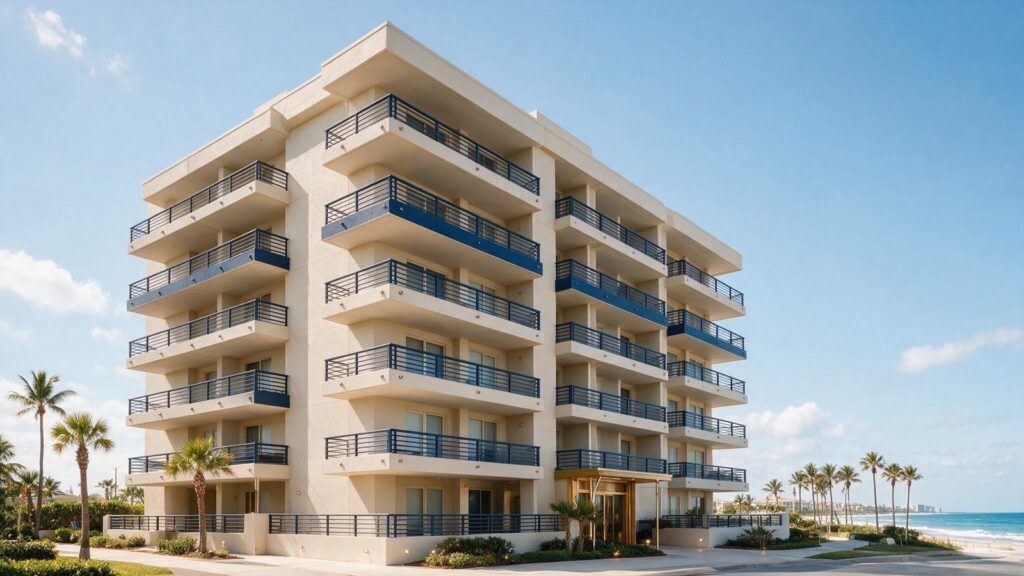
- Florida requires condominium and cooperative buildings three stories or taller to undergo mandatory "milestone" structural inspections under a law passed after a catastrophic building collapse in 2021.
- Balconies, railings, and walkways are treated as structural components under this law, even though the statute doesn't name them directly.
- Miami-Dade County has run its own separate 40-year (now often 25 or 30-year) recertification program since 1975, layered on top of the newer statewide requirement.
- Corrosion, water intrusion, and deferred maintenance are the leading causes of railing and balcony failures in Florida's coastal climate.
- Liability can extend to the condo association, property management company, or a contractor who performed a prior inspection or repair.
A balcony or railing is supposed to be one of the more reassuring parts of a building — a barrier that quietly does its job every day without anyone thinking about it. When it fails, the consequences are sudden and severe, and the legal questions that follow almost always come down to who knew about the underlying structural problem and what they did, or didn't do, about it.
Why Florida Regulates This So Closely Now
Florida's approach to structural safety changed sharply after the 2021 collapse of a coastal condominium building in Surfside, one of the deadliest structural failures in U.S. history. In response, the Florida Legislature passed Senate Bill 4-D, codified as Florida Statute §553.899, which requires condominium and cooperative buildings three stories or taller to undergo a mandatory "milestone inspection" once a building reaches 30 years of age (25 years if within three miles of the coast), and every 10 years after that.
The statute never uses the words "balcony," "railing," or "walkway." But these are load-bearing structural elements, so licensed engineers and architects are required to evaluate them as part of a building's major structural components during every milestone inspection, regardless of whether the statute names them individually.
Miami-Dade's Separate, Older Program
If your building is in Miami-Dade County, the state's milestone inspection law isn't the only requirement in play. Miami-Dade County has operated its own building recertification program since 1975, historically known as the "40-year recertification," which has since been updated to align with the newer statewide timeline for coastal buildings. Buildings that already completed an inspection under the older county program generally continue on their established schedule, while newer requirements layer on top for buildings that haven't yet been inspected.
This overlap matters in a claim because it means there are often two separate sets of inspection records worth requesting — the county recertification file and the state milestone inspection report — and gaps or contradictions between the two can be significant evidence.
Why Railings and Balconies Fail
Florida's coastal climate is uniquely hard on structural components. Common causes of failure include:
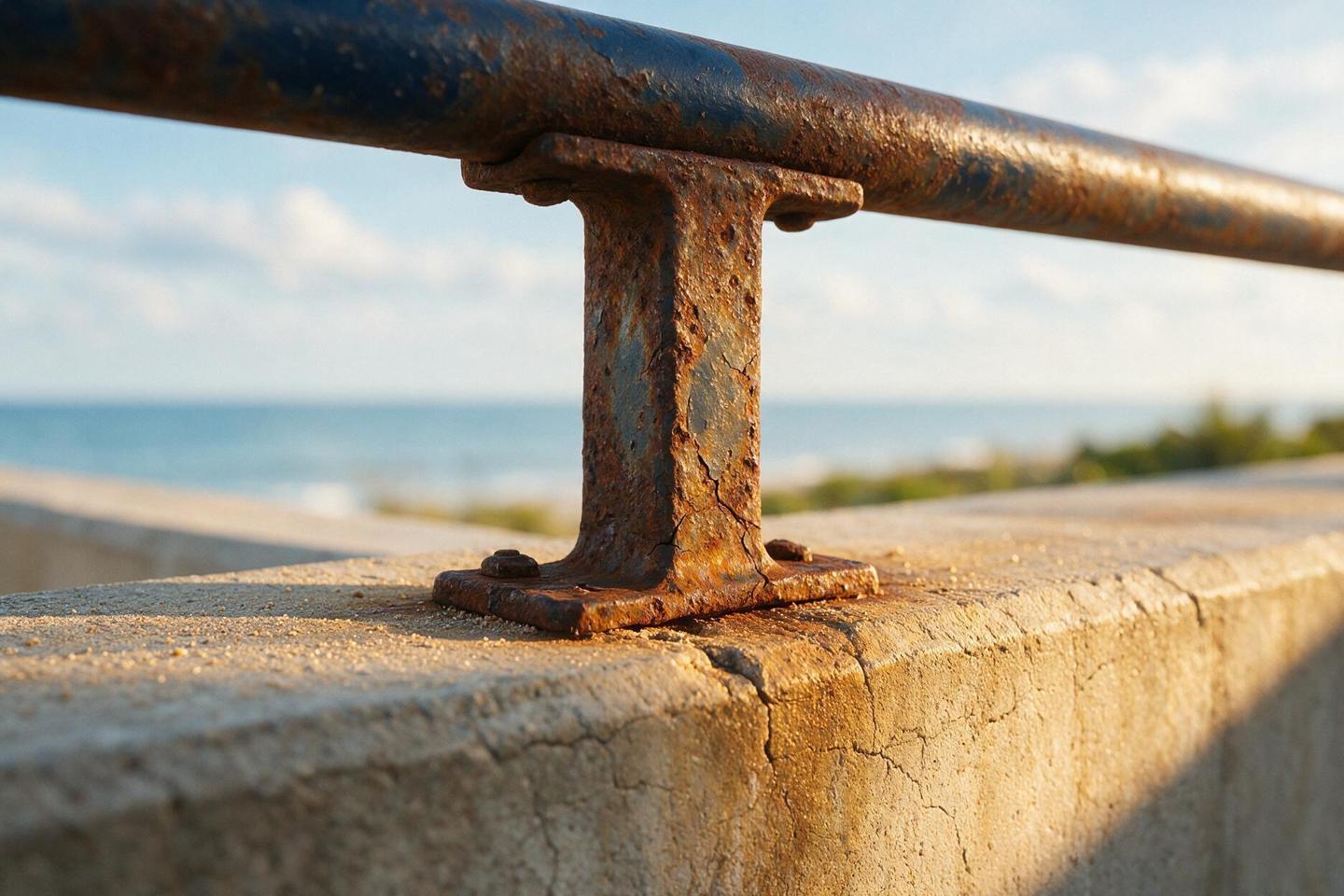
- Corrosion of embedded steel supports, accelerated by salt air and humidity that gradually weakens the connection between a balcony and the main structure
- Water intrusion through cracked concrete or failed waterproofing, which corrodes rebar from the inside out long before any damage is visible on the surface
- Deferred maintenance on visibly deteriorating railings, where a known issue was reported but never repaired
- Overloading, when a balcony or elevated walkway holds more weight than it was designed for, particularly during gatherings or events
- Substandard original construction, including inadequate anchoring or connections that didn't meet code even when the building was new
Because much of this damage happens beneath the surface, a railing or balcony can look structurally sound right up until it fails, which is exactly why routine inspection, not visual appearance, is what the law relies on.
What Florida's Building Code Actually Requires
Beyond the milestone inspection law, Florida's Building Code sets specific structural standards for guards and railings, including minimum height requirements and load resistance standards designed to withstand real-world use. A CPSC analysis of consumer product injuries found that injuries involving stairs, ramps, and landings account for millions of emergency department visits nationally each year, underscoring why these structural elements carry such a heightened duty of care rather than being treated as routine maintenance items.
Who Can Be Held Liable
Depending on the facts, responsibility for a balcony or railing collapse can extend to:
- The condominium or cooperative association, which is responsible for arranging required inspections and addressing any deficiencies identified
- The property management company, if it was contractually responsible for maintenance and failed to act on known issues
- An engineer or architect who previously certified the structure as safe despite an inspection that should have caught the problem
- A contractor who performed prior repairs that didn't actually correct the underlying defect
- The original developer or builder, in cases where a construction defect from the building's original construction contributed to the failure
Multiple parties often share responsibility, and identifying all of them typically requires the inspection history rather than just the incident itself. As with other premises liability claims — including negligent security and swimming pool accident cases — the property's own maintenance and inspection history often matters more than the incident report itself.
Rentals and Guests Face a Different Kind of Risk
Short-term rental properties add another layer of complexity to these claims. A guest staying in a vacation rental typically has no way to know whether the building has ever undergone a milestone inspection, whether a prior structural concern was raised and dismissed, or how old the building actually is. Unlike a long-term resident who might overhear building-wide conversations about maintenance concerns, a visitor is entirely dependent on the host or management company to have actually complied with these requirements.
This asymmetry of information matters in a claim. A property owner or rental host can't shift responsibility onto a guest for failing to inquire about inspection history that isn't publicly displayed anywhere on the property, which is part of why these cases often turn heavily on records the injured person never had access to until litigation begins.
The same logic extends to condo owners renting out their individual units. Even if an owner has no personal knowledge of a structural problem, the association's inspection records and repair history remain relevant to a guest's claim, since the association — not the individual unit owner — typically controls the building's common structural elements, including balconies and railings attached to the exterior of the building.
Evidence That Determines These Cases
- Milestone inspection and county recertification reports, including any deficiencies noted but not yet corrected
- Maintenance and repair records specific to the balcony, railing, or walkway involved
- Association board meeting minutes, which sometimes document prior discussions about structural concerns
- Engineering assessments performed before or after the incident
- Weather and occupancy conditions at the time of the failure, particularly if overloading is a potential factor
If your injury happened in a setting involving elevator or escalator equipment as well as structural elements, both angles are worth investigating together, since building-wide maintenance failures often affect more than one system at once.
Frequently Asked Questions
Does Florida law specifically require balcony inspections?
Not by name, but balconies, railings, and walkways are treated as structural components that must be evaluated during a building's mandatory milestone inspection under Florida Statute §553.899.
How old does a building have to be before an inspection is required?
Generally 30 years, or 25 years if the building is within three miles of the coast, and every 10 years thereafter.
Is Miami-Dade's recertification program the same as the state's milestone inspection?
No, they're separate but overlapping requirements. Miami-Dade has run its own recertification program since 1975, and buildings there may need to satisfy both the county program and the statewide law.
Can a condo association be held liable if a balcony collapses?
Yes, if the association failed to arrange required inspections or failed to act on a known structural deficiency, it can be held liable along with any other responsible parties.
What causes most balcony and railing failures in Florida?
Corrosion from salt air, water intrusion into concrete, and deferred maintenance on known issues are the leading causes in Florida's coastal climate.
What should I do if I'm injured in a balcony or railing collapse?
Get medical attention, document the scene and the failed structure before repairs are made, and try to determine when the building's most recent inspection occurred.
The Bottom Line
A balcony or railing failure is rarely a sudden, unforeseeable event — it's usually the visible endpoint of a structural problem that existed, in some form, well before it gave way. Florida's inspection laws exist because those warning signs are often invisible to residents but discoverable through proper engineering review. DLE Lawyers offers a free consultation to review what happened and what inspection records still need to be requested.