
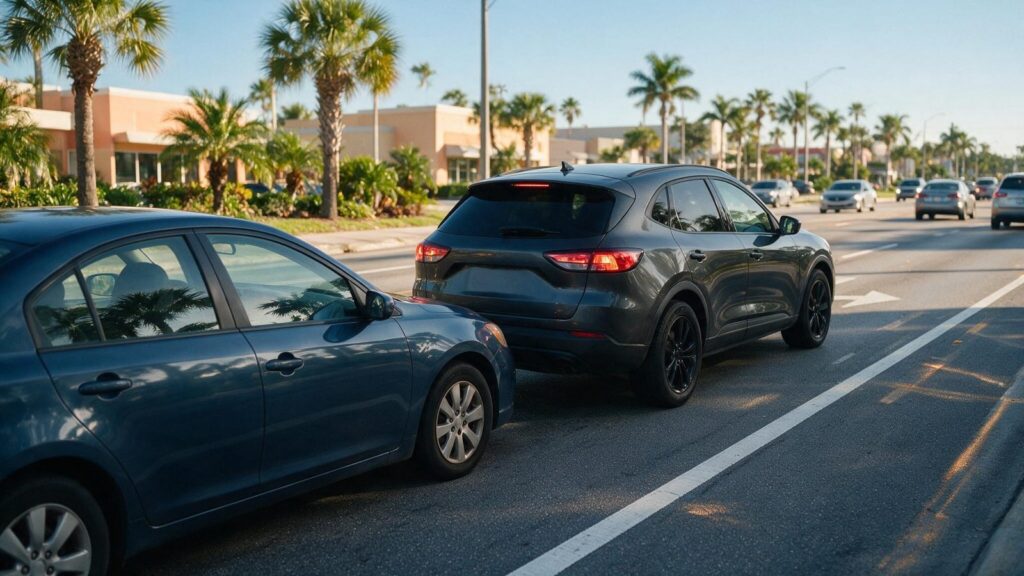
TL;DR
- Florida consistently ranks among the top states nationally for staged accident insurance fraud, with Miami among the top cities.
- The most common scheme is "swoop and squat," where a car cuts in front of you and slams the brakes to force a rear-end collision that looks like your fault.
- Staged accidents are often coordinated with specific clinics and attorneys who file inflated medical claims after the fact.
- A genuine victim who gets swept into someone else's staged accident can still end up wrongly blamed unless the mechanics of the crash are carefully documented.
- Insurance fraud is a felony in Florida, and reporting suspected staged accidents helps both the state and future victims.
Most people picture insurance fraud as something that happens to insurance companies, not to them. But staged accidents are designed specifically to victimize ordinary drivers — the scheme only works if an innocent person ends up looking at fault for a crash engineered by strangers. If you've been in a collision that felt orchestrated, or you're worried an insurer thinks your legitimate accident looks suspicious, understanding how these schemes work is the first step to protecting your claim.
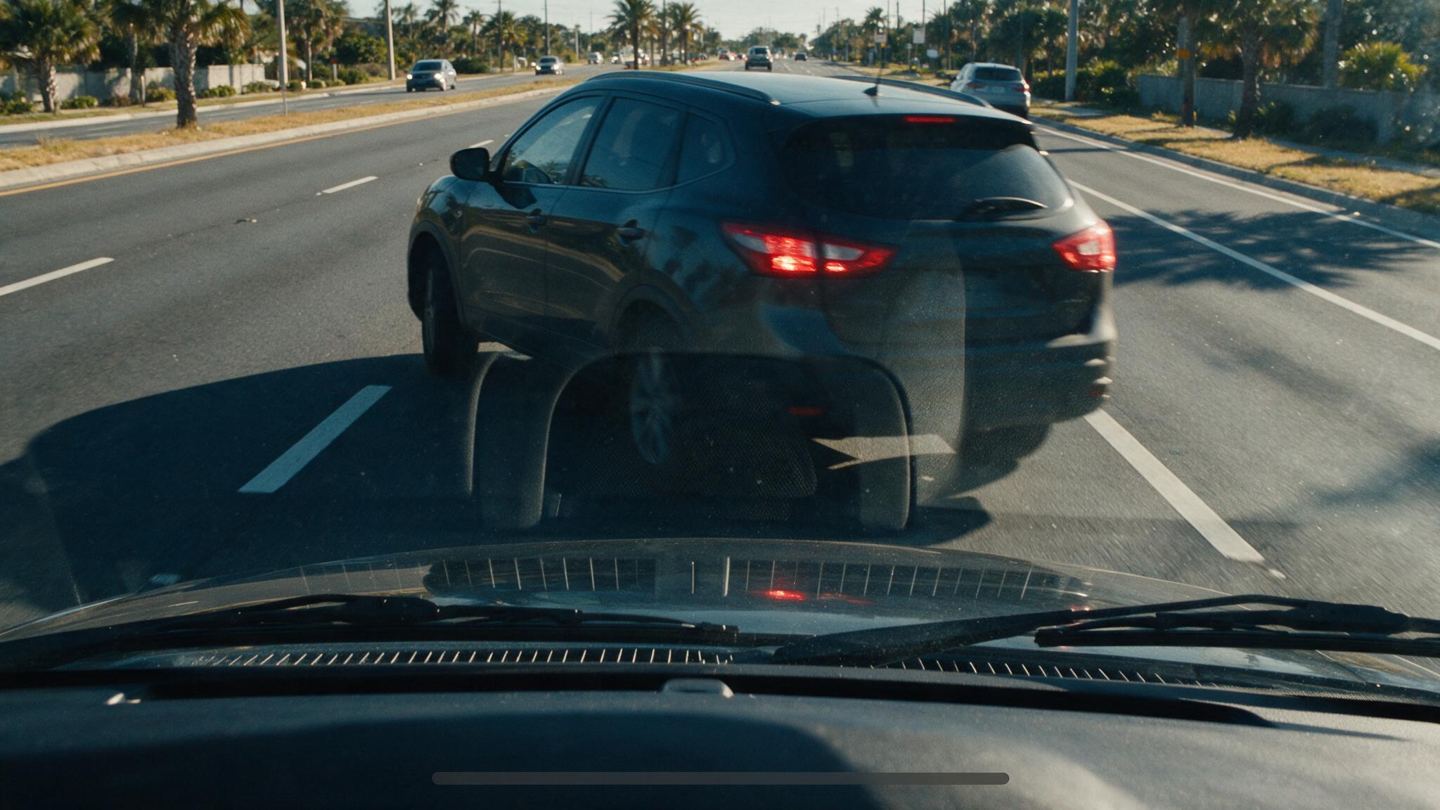
Why Florida Is a National Hotspot
Florida isn't an average state when it comes to staged accident fraud. According to National Insurance Crime Bureau analysis of organized fraud referrals, Florida generated more questionable claims tied to organized staged-accident rings than any other state during a recent multi-year study period, and Miami ranked among the top cities nationally for this type of fraud. Dense urban traffic, a high volume of rear-end-prone congestion, and Florida's no-fault insurance structure — which guarantees a baseline PIP payout regardless of fault — combine to make the state an attractive target for organized fraud rings.
That environment doesn't just cost insurers money. It means genuine accident victims in Florida are statistically more likely than drivers elsewhere to find themselves tangled in a scheme they had nothing to do with.
The Most Common Schemes
- Swoop and squat: A vehicle (the "swoop" car) cuts sharply in front of you, then another vehicle (the "squat" car) slams on its brakes for no traffic-related reason, forcing you into a rear-end collision that appears to be your fault
- Drive down: A driver waves you into a lane change or a merge, then intentionally collides with you and later denies ever giving the signal
- Wave-in: Similar to a drive-down, but staged specifically at intersections or parking lot exits where right-of-way is already ambiguous
- Panic stop: A vehicle brakes suddenly in heavy traffic with no obstruction ahead, engineered specifically to draw a rear-end hit
- Phantom passengers: After a real or staged crash, additional "passengers" who weren't actually in the vehicle are added to the claim to inflate injury payouts
Many of these schemes are run by organized groups working with specific medical clinics and, in some cases, attorneys who file exaggerated or entirely fabricated injury claims once the crash occurs, turning a manufactured fender-bender into a coordinated fraud operation worth tens of thousands of dollars.
It's a Felony, Not a Civil Dispute
Staged accidents aren't just an insurance headache — they're criminal. Under Florida Statute §817.234, knowingly presenting a false or misleading statement in support of an insurance claim is insurance fraud, prosecuted as a felony. Participants in a staged crash can also face additional charges depending on the specifics — from fraud itself to charges related to intentionally causing property damage or bodily harm.
If you suspect you were the target of a staged accident, Florida's Division of Insurance Fraud accepts reports through its Fraud Free Florida initiative, and reporting doesn't just protect you — it helps investigators identify repeat participants and organized rings operating across multiple claims.
How to Recognize a Staged Accident While It's Happening
- The other vehicle brakes suddenly with no visible reason — no obstruction, no traffic slowdown, no pedestrian
- Multiple occupants immediately claim injury, sometimes before you've even had a chance to check on anyone
- The other driver or passengers seem unusually calm or prepared, already knowing exactly what to say or do
- Witnesses appear at the scene very quickly and offer statements that align suspiciously well with the other driver's account
- The vehicle involved has prior accident history or shows old, mismatched damage inconsistent with the current collision
None of these signs alone proves fraud, but multiple signs together are exactly the pattern investigators look for. Our guide on rear-end collision liability in Florida is worth reading alongside this one, since the same rebuttable presumption that normally favors the front driver is exactly what a staged accident is designed to exploit.
A Word on the Recruiting Side of These Schemes
Staged accident rings don't just need vehicles and drivers willing to cause a crash — they often need people willing to pose as passengers or claim injuries after the fact, sometimes for a flat cash payment as small as a hundred dollars. If you're ever approached with an offer to "be in a car" for a quick payout, understand that participating exposes you to felony insurance fraud charges, not just civil liability, regardless of how minor your role seems. Recruiters in these schemes often specifically target people facing financial hardship, framing an obviously illegal scheme as a harmless favor.
This matters for genuine accident victims too, because it explains why some staged-accident participants are inexperienced and inconsistent under questioning — they were recruited for a single incident, not professional fraudsters, which is sometimes exactly the kind of inconsistency that helps expose the scheme during a claims investigation or deposition.
What to Do If You Suspect You've Been Targeted
- Call the police to the scene regardless of how minor it seems, and make sure the responding officer documents exactly what happened, including anything that seemed off
- Photograph everything, including the position of both vehicles, all visible damage, and the surrounding traffic conditions
- Get contact information for independent witnesses, not just people who arrived with the other vehicle
- Avoid admitting fault or apologizing at the scene, since staged-accident schemes often rely on rattled victims saying something that gets used against them later
- Request a copy of the crash report and review it carefully for inconsistencies with what you actually observed
Our guide on what to do after a Miami car crash before you call insurance covers the same evidence-preservation basics that matter even more once fraud is a possibility.
Why You Still Need to Protect Your Own Claim
Being the target of a staged accident doesn't mean you're automatically off the hook with your own insurer. If the scheme succeeds in making the crash look like your fault, you could face a liability claim, higher premiums, and a denied claim for your own damages — on top of everything else. Fighting back requires the same kind of evidence used to prove fault in any other Florida crash, just applied with extra scrutiny toward inconsistencies in the other side's story.
Frequently Asked Questions
How common is staged accident fraud in Florida?
Florida consistently ranks among the top states nationally for organized staged-accident fraud referrals, with Miami among the highest-volume cities, according to National Insurance Crime Bureau data.
What is a "swoop and squat" accident?
It's a scheme where one vehicle cuts in front of you and another brakes suddenly and without cause, forcing a rear-end collision engineered to look like the trailing driver's fault.
Is staging a car accident a crime in Florida?
Yes. It constitutes insurance fraud under Florida Statute §817.234, a felony offense, and participants may face additional criminal charges depending on the circumstances.
What should I do if I think the other driver staged the accident?
Call the police, document everything thoroughly, avoid discussing fault at the scene, and consider reporting your suspicions to Florida's Division of Insurance Fraud in addition to your own insurer.
Can I still get compensation if a staged accident makes it look like I was at fault?
Yes, but it requires strong evidence rebutting the false narrative. Photos, independent witness accounts, and inconsistencies in the crash report are often what separates a wrongly blamed victim from an unfair liability finding.
Are staged accidents usually random, or organized?
Many are organized operations involving multiple participants, specific vehicles used repeatedly, and coordinated relationships with certain medical clinics that file inflated injury claims after the crash.
The Bottom Line
Staged accidents work by turning an ordinary driver into the fall guy for someone else's fraud, and the schemes are specifically engineered to exploit the assumptions insurers and police normally rely on. If you suspect the crash you were involved in wasn't the accident it appeared to be, the evidence you gather in the immediate aftermath is what determines whether that scheme succeeds against you. DLE Lawyers offers a free consultation to review what happened and help you push back on an unfair liability determination.